

Click the logo to be redirected to the manufacturer’s website
Commercial and institutional kitchens generate significant amounts of grease-laden vapors, smoke, heat, steam, and cooking odors. Properly designed kitchen ventilation systems are critical to maintaining a safe, comfortable, and compliant environment for both building occupants and kitchen staff. Effective kitchen extraction not only improves indoor air quality but also protects equipment, reduces maintenance requirements, and minimizes fire risk.
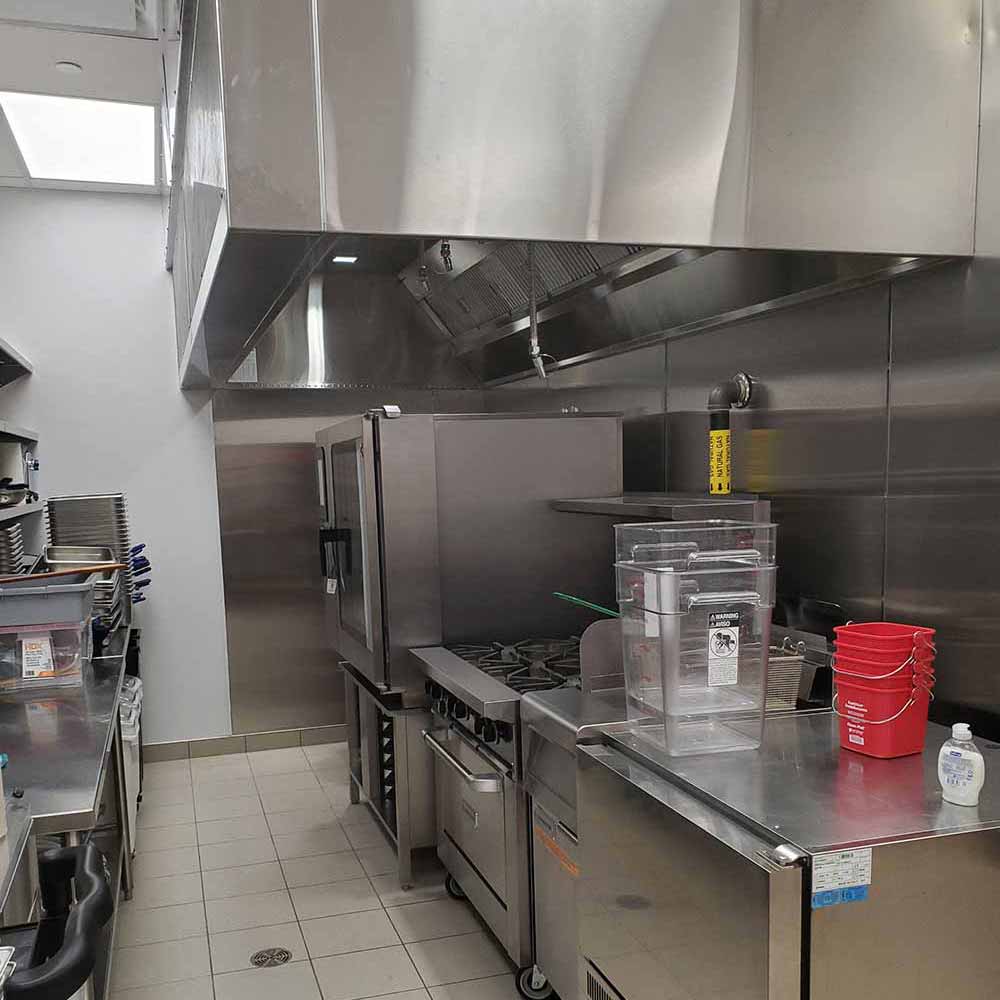
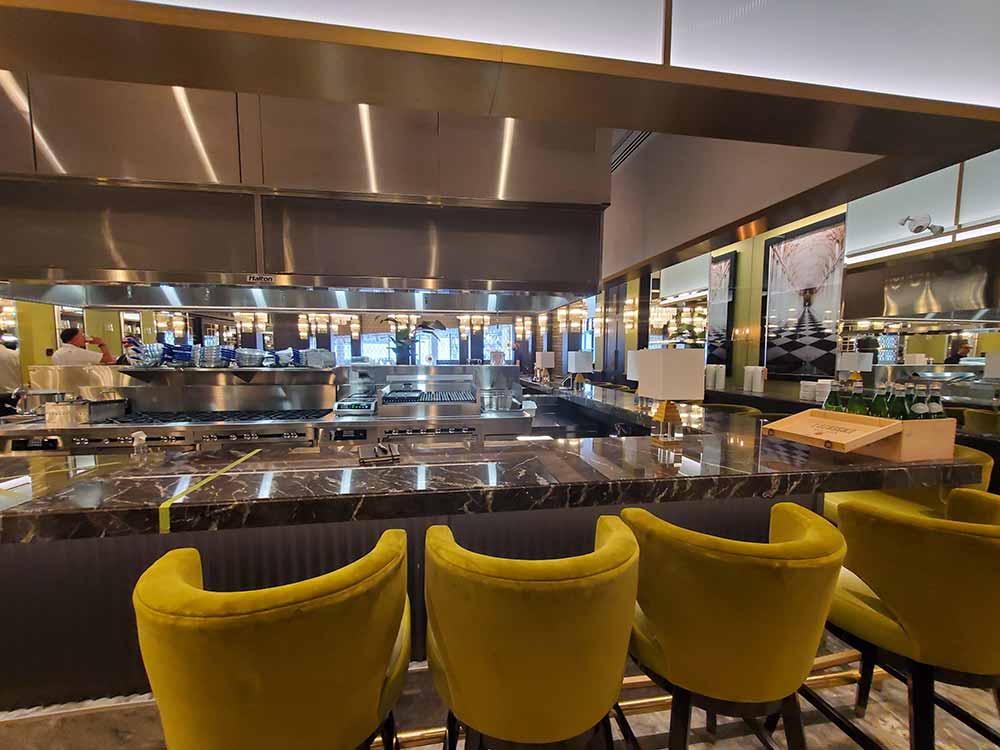
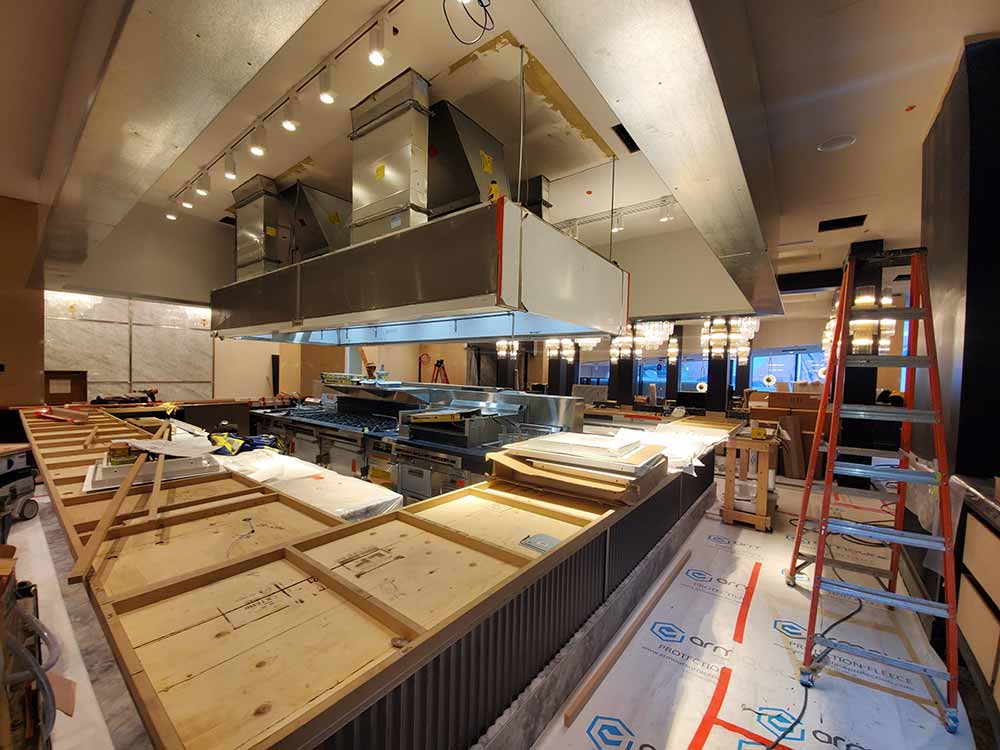
The performance of any kitchen ventilation system begins with the proper selection and design of the exhaust hood. A well-engineered hood must effectively capture and contain cooking emissions at their source, preventing contaminants from escaping into occupied spaces. Hood design, airflow rates, appliance layout, and kitchen operating conditions all play an important role in overall system performance.
When kitchen exhaust systems are improperly designed or selected, facilities may experience:
- Poor capture and containment of grease, smoke, and heat
- Excessive grease accumulation within ductwork and exhaust systems
- Increased fire and life safety risks
- Elevated energy consumption and operating costs
- Uncomfortable working conditions for kitchen staff
- Odor complaints from nearby tenants, occupants, or neighboring properties
- Difficulty maintaining required building pressurization and ventilation balance
In addition to exhaust hoods, modern Pollution Control Units (PCUs) and Ecology Units provide advanced treatment of kitchen exhaust air before it is discharged to the atmosphere. These systems utilize various filtration technologies, including grease extraction, electrostatic precipitation, media filtration, ultraviolet treatment, and odor control systems to significantly reduce smoke, grease particulates, and cooking odors.
Pollution control systems are particularly beneficial in applications where kitchen exhaust is discharged near occupied areas, building air intakes, patios, pedestrian spaces, or neighboring properties. They help facilities meet environmental requirements while minimizing the impact of kitchen operations on surrounding communities.
Well-designed kitchen ventilation systems also contribute to overall HVAC efficiency. By optimizing exhaust volumes and coordinating with makeup air systems, facilities can reduce unnecessary conditioned air losses while maintaining proper ventilation and occupant comfort. This balanced approach helps lower energy consumption without compromising kitchen performance or safety.
Whether serving restaurants, hotels, food courts, institutional kitchens, healthcare facilities, educational campuses, or large-scale food production operations, kitchen extraction and pollution control systems provide a comprehensive solution for managing cooking emissions, protecting building occupants, improving operational efficiency, and maintaining compliance with fire, mechanical, and environmental requirements.
By combining high-performance kitchen hoods, engineered ductwork, pollution control technology, and properly integrated makeup air systems, facilities can achieve cleaner exhaust discharge, safer operations, improved indoor air quality, and long-term system reliability.
Kitchen Extraction Hoods:
Energy Efficient Commercial Kitchen Hoods, Restaurant Kitchen Hoods, Fire Suppression Hoods, Demand Control Kitchen Ventilation Systems, Condensate Hoods, UV-C Light Hoods, Water Wash Hoods, Kitchen Ceiling Diffusers, ETL Listed to UL710 Manual Balancing Dampers
Ecology Units, Pollution Control Units and Kitchen Odour Control Units